









Everyday activities usually put pressure on the lower body, which causes stiffness, lack of movement, and pain throughout routine activities. Even the simplest parts of life, such as sitting too long or using the wrong posture, can add pressure in the long run. See how correct care techniques contribute to the healing process and can assist in restoring natural movement. Maintaining a balance in habits enhances posture, minimizes strain, and is flexible. Early intervention can promote the prevention of exacerbation, and facilitated intervention promotes gradual recovery.
Knowing the reasons for day-to-day stress.
A frequent movement and unhealthy posture tend to learn more pressure on the lower body. Naming the causes will assist in relieving stress, enhancing alignment, and contributing to better functioning, so that everyday activities will be less challenging to perform without causing any discomfort or restricting natural movement patterns.
Positives of routine checkups.
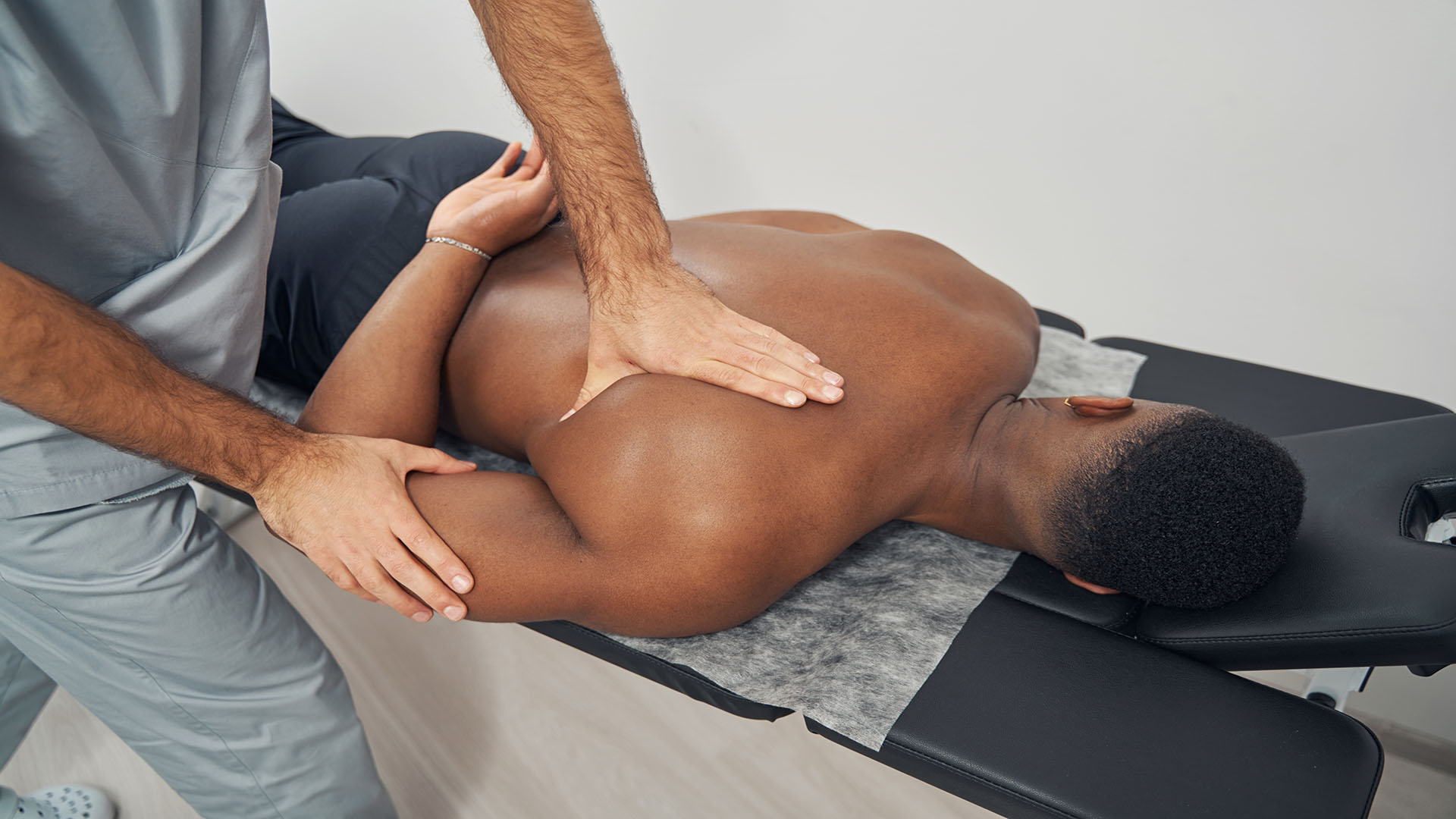
Regular attention leads to stability over the long term and mitigates repetitive pain. Frequent sessions keep everything on track, make it more flexible, and the body becomes more oriented to everyday tasks without straining it or restricting its mobility.
Significance of stretching exercises per day.
Flexibility enhances and makes muscles less stiff when stretched. Practice helps to move better, increase circulation, and avoid tightness, so that people can be able to perform their usual routine activities without limitations.
Basic routines that aid in everyday recovery.
Every day routines aid in sustaining the continuous progress and the decrease in the level of discomfort.
- Maintain a good sitting position when working longer hours in order to ease the tension and maintain the spinal alignment in posture.
- Make frequent short breaks to loosen up the muscles and avoid stiffness in the muscles when working continuously through the day.
Important long-term relief practices.
Regular exercises are helpful to heal and keep the body balanced.
- Practise frequent care protocols that assist in making alignment, minimizing pain, and enhancing flexibility with gradual guided practice.
- Attend to the controlled movements in the execution of tasks so as to avoid strains and to ensure a consistent physical balance throughout everyday activities.
Relief is a long-term process that requires regular practice, conscious movement, and routine care. Balance also decreases pressure and aids in more efficient performance when performing daily activities. Organized procedures foster gradual progress without imposing extra stress. Minor changes in routine result in increased control and enhanced flexibility with time. To find improved control and movement, learn more about sure care methods that foster long-term improvement and stability in physical balance.