










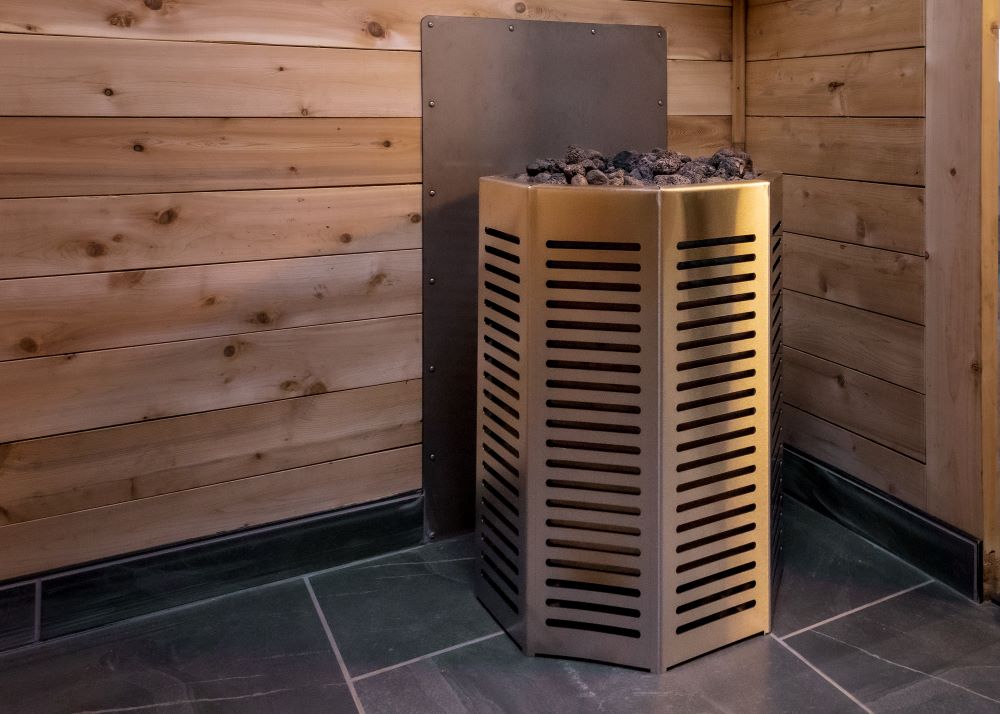
Supports a calm daily rhythm inside personal relaxation areas. A warm, quiet space helps the mind slowdown from regular pressure. Heat flow inside a small room encourages steady breathing and gentle stillness. Soft surroundings guide the body into a restful state without force. This daily practice becomes easier when the structure and heating direction are carefully planned. The presence of visit the site during selection helps identify the correct heater style for personal room conditions.
Heat Flow Placement Structure
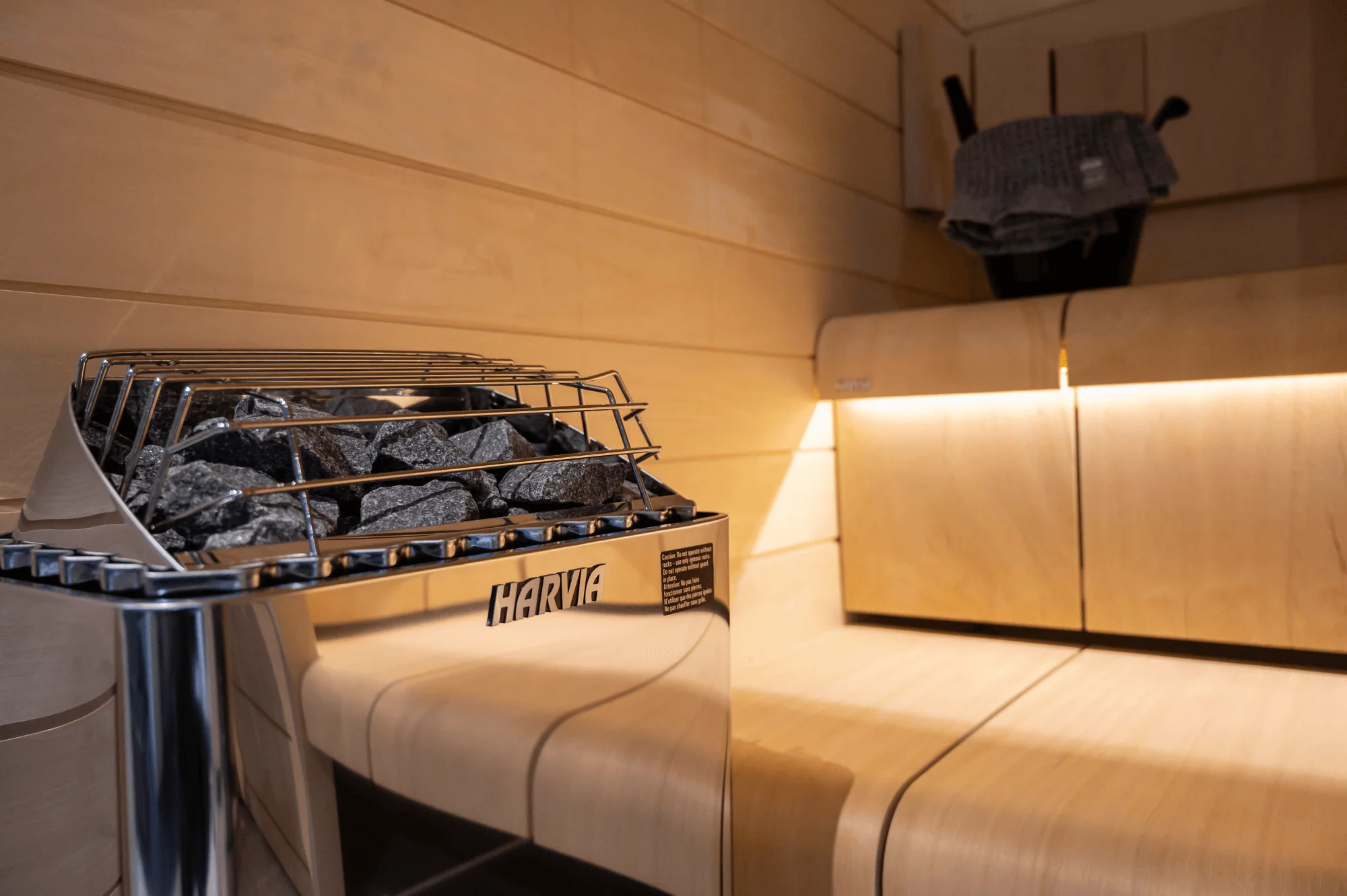
Placement of the heater influences warmth direction and body contact scale. Smooth heat travel supports a steady relaxation response each session.
- Heater mounted at a moderate height improves warm rise stability
- Stone area design maintains heat levels during session duration
- Vent opening affects warm air travel inside the room
- Seating position shifts warm touch on the upper or lower body
This supports a consistent atmosphere that encourages slow calm.
Soft Glow Interior Light Tone
Light tone influences emotional calm inside the heated space. Soft glow encourages quiet mental focus. Dim shape supports inner stillness. The room becomes a peaceful place.
Seat Surface Consideration
Seat height and surface texture influence body ease. A higher seat collects more warm air due to natural upward heat motion. The lower seat receives slower warmth. Texture also affects comfort response.
How consistent warmth shape emotional release inside daily sessions?
Gentle temperature progression builds familiarity inside the mind. Calm comes from repeated comfortable sessions. Heat encourages muscle softness and quiet thoughts.
When the space feels predictable, the mind accepts calm faster. The room becomes a daily slowdown point. This helps maintain emotional clarity and physical ease.
Heat Output Pattern Alignment
This subheading contains the second placement of visit the site within the explanation. Heat range selection shapes comfort within different room sizes.
- Higher wattage increases warm-up speed for short sessions
- Lower watt supports slow warm build for longer, gentle sitting
- Stone amount controls retained temperature after heater cycle
- Wall surface absorbs warmth differently across room conditions
- Ceiling height shifts warm air collection near upper spaces
- Vent opening controls soft air turnover inside the room
- Door seal strength helps maintain internal heat stability
- Seat distance from the heater affects personal heat contact
This allows full control of session structure over time.
Sound Quiet Influence
The sound tone inside the room shapes the emotional center. Lower sound tone encourages calm. Silence supports mental rest. Heat and quiet work together.
Warm Room Atmosphere Formation
The atmosphere forms through temperature, softness, surface tone, and light mood. Warmth settles into the room slowly. The space begins to feel safe. Daily routine becomes a predictable comfort.
Calm Warmth Home Renewal
A warm space becomes a grounding point after busy hours. Calm forms through warmth, soft light, and a stable atmosphere. The room grows into a cherished wellness space. Daily stress settles as the body accepts peace.