










Central serous chorioretinopathy (CSCR) is an eye condition that affects the retina, specifically the macula, which is responsible for sharp and detailed central vision. This condition occurs when fluid accumulates beneath the retina and causes it to detach slightly from the underlying tissue. As a result, vision may become distorted or blurry.
While CSCR often resolves on its own, some cases require medical intervention to prevent recurring episodes or long-term damage. Knowing the symptoms and available treatment options can help individuals take early steps toward protecting their vision.
What Causes Central Serous Chorioretinopathy?
The exact cause of CSCR is not always clear, but research suggests a strong connection to stress and elevated cortisol levels. Cortisol, commonly known as the stress hormone, can increase the permeability of blood vessels in the eye, leading to fluid leakage. This is why CSCR is more commonly observed in individuals who experience high stress or who take corticosteroid medications.
CSCR is more common in men between the ages of 30 and 50, although it can occur in women and older adults as well. Other possible contributing factors may include hypertension, sleep disturbances, Type A personality traits, and the use of certain medications. While not all risk factors can be controlled, understanding them is important for managing the condition.

Recognizing the Symptoms of CSCR
Symptoms of CSCR typically appear suddenly and affect one eye, although both eyes can be impacted in some cases. Individuals may notice blurred or distorted vision, where straight lines appear wavy or bent. Objects may seem smaller or farther away than usual, a condition known as micropsia. Colors may appear faded, and reading or focusing on details can become more difficult.
Another sign is a dark or dim spot in the central visual field. Unlike some other eye conditions, CSCR usually does not cause pain. These symptoms may fluctuate or worsen under emotional stress or fatigue. Anyone experiencing these changes should consult an eye specialist promptly for evaluation.
How CSCR Is Diagnosed
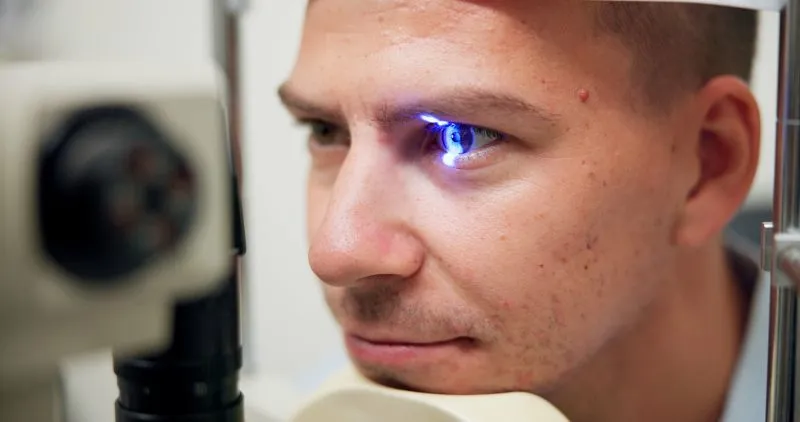
Diagnosing CSCR involves a comprehensive eye examination and specialized imaging tests. Optical coherence tomography (OCT) is commonly used to create detailed cross-sectional images of the retina, revealing the presence of fluid under the macula. Fluorescein angiography may also be used to identify the location of leakage in the retina’s blood vessels.
Early and accurate diagnosis helps determine whether monitoring or active treatment is needed. In many cases, a “wait and see” approach may be recommended if symptoms are mild and vision is expected to recover naturally.
Treatment Options for CSCR
In many patients, CSCR resolves on its own within a few weeks to a few months, and vision returns to normal. During this time, doctors may recommend reducing stress, adjusting medications that may contribute to the condition, or addressing lifestyle habits linked to elevated cortisol levels.
However, some individuals experience recurrent or persistent CSCR that can lead to lasting visual impairment. In such cases, medical intervention may be needed. Central serous chorioretinopathy treatment options may include laser therapy or photodynamic therapy to seal the leaking blood vessels. These procedures help restore the retina to its proper position and prevent further leakage.
Another emerging option includes medications that reduce corticosteroid activity in the body. These are often considered for patients who have recurring episodes or long-term fluid buildup. The choice of treatment depends on the severity of the condition and the patient’s overall health.
Preventing Recurrence and Protecting Vision
Since stress is a major contributor to CSCR, stress management strategies play a key role in prevention. Techniques such as mindfulness, yoga, regular exercise, and adequate sleep can help control cortisol levels. Avoiding unnecessary steroid use is also important. Individuals should always consult their healthcare provider before stopping or adjusting any prescribed medication.
Routine eye examinations are recommended for individuals who have experienced CSCR, as recurring episodes require ongoing monitoring. Early detection helps ensure that treatment can begin before long-term damage occurs.
Taking Control of Your Eye Health
CSCR can be alarming, especially when vision changes appear suddenly. The good news is that most people recover well, especially when the condition is identified early and managed appropriately. With the right central serous chorioretinopathy treatment plan and supportive lifestyle changes, many individuals can maintain healthy vision and prevent future flare-ups. Staying informed, managing stress, and maintaining regular checkups are key steps in protecting your eyesight and overall well-being.